
Blog
-

Open Enrollment Season: Is Your Agency Website Ready to Convert More Employer Leads?
Every agency knows what late summer feels like: the calm before the fourth-quarter storm. Over the next few months, corporate HR leaders in your market will be staring down double-digit renewal hikes, scrambling through open enrollment prep, and quietly wondering if their current broker is really serving them well. When an employer finally decides it’s…
-
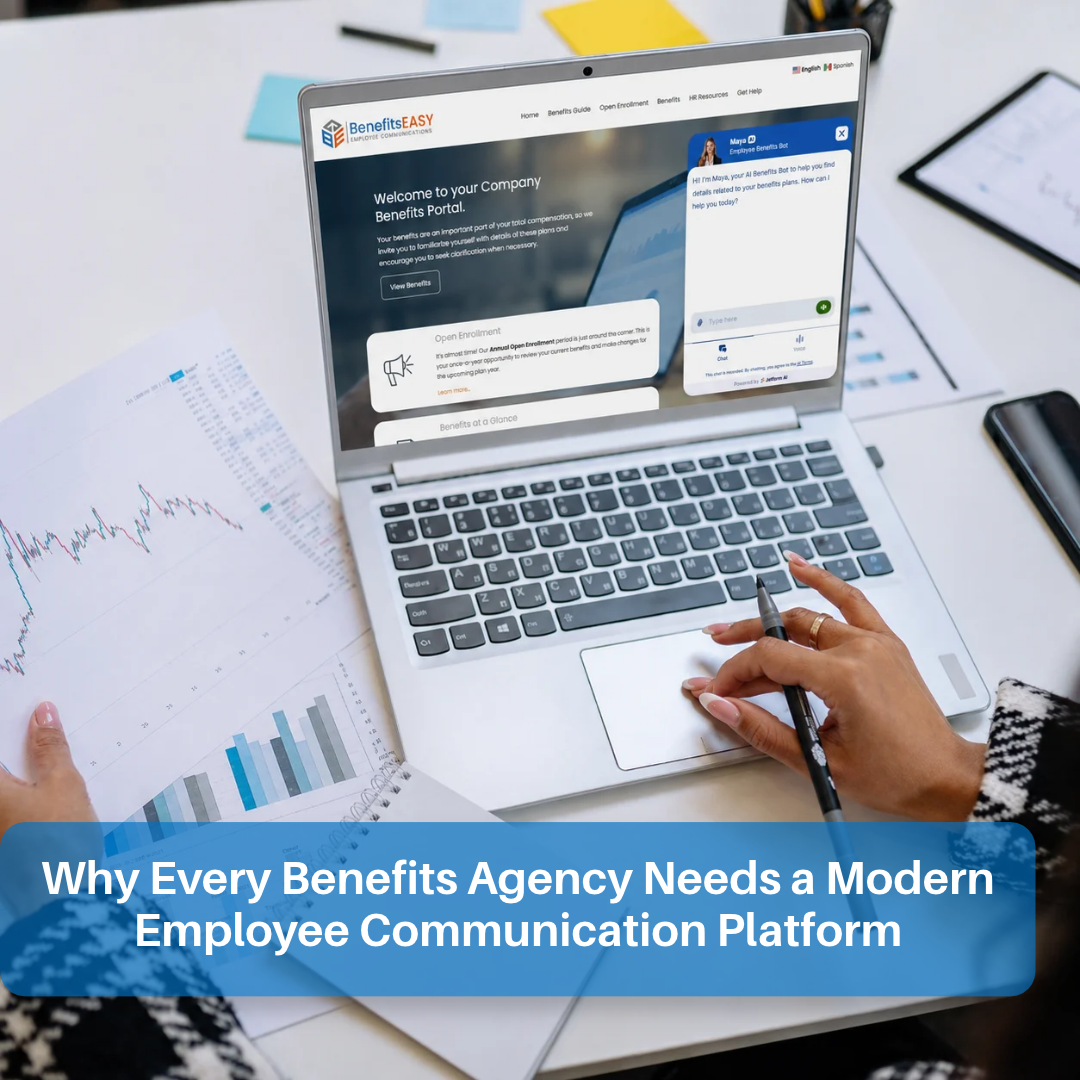
Why Every Benefits Agency Needs a Modern Employee Communication Platform
Great benefits deserve to be understood, not just distributed. Employee benefits are genuinely great. They protect health, support families, and help people make smart financial calls. For employers, they’re one of the best tools for attracting and keeping great people. So here’s the plot twist: a lot of employees don’t actually know what they have.…
-
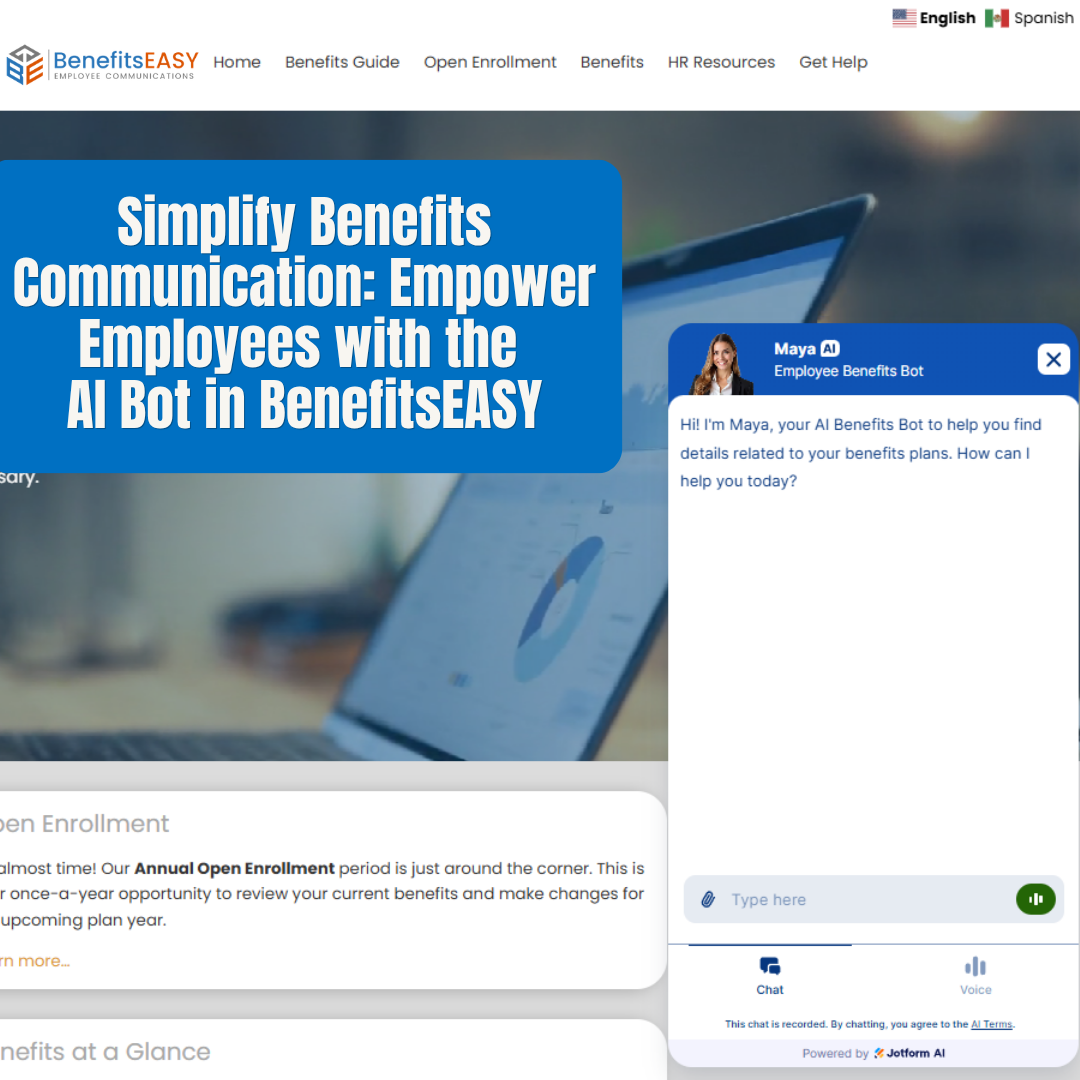
Simplify Benefits Communication: Empower Employees with the AI Bot in BenefitsEASY
HR teams know the challenge all too well: employees often ask the same benefits questions again and again. While every inquiry is important, answering them repeatedly takes valuable time away from strategic HR initiatives.
-

Understanding the Sandwich Generation: What They Need Most
In today’s workforce, a significant number of experienced employees are working a second job that never appears on a timesheet: caregiving. This places them in the “sandwich generation,” a group of middle-aged adults tasked with simultaneously caring for their aging parents and their own children. This isn’t a specific age cohort like the Baby Boomers,…
-

Decode Your Dosage: A Practical Guide to Reading Prescription Labels
Taking prescription medication is a common part of modern life. In fact, more than 131 million American adults take at least one prescription regularly. As we age, managing these medications becomes a vital part of staying healthy.
-
Planning Ahead: 2027 HSA Contribution Limits and HDHP Rules
On May 29, 2026, the IRS issued Revenue Procedure 2026-24, which sets the inflation-adjusted limits for health savings accounts (HSAs) and high deductible health plans (HDHPs) for 2027.
-

Navigating Your ICHRA: A Step-by-Step Employee Guide
Health insurance can be complex, especially when your employer introduces new benefit structures. One option you may encounter is the Individual Coverage Health Reimbursement Arrangement (ICHRA). Unlike traditional group plans where the employer selects a single policy for everyone, an ICHRA changes how benefits are delivered.
-
ACA Compliance Update: 2027 “Pay or Play” Increases
On May 4, 2026, the IRS announced updated penalty amounts for 2027 under the Affordable Care Act’s (ACA) employer shared responsibility, or “pay-or-play,” rules. For the 2027 calendar year, the $2,000 penalty has been adjusted to $3,780, and the $3,000 penalty has increased to $5,670. This marks a rise from 2026 levels of $3,340 and…
-

Wellness in Action: Your Summer 2026 Guide
Summer is the season of opportunity, a chance to reset your habits, soak up the sun safely, and prioritize the mental downtime we often skip during the winter hustle. Use these strategies to maximize your well-being while making the most of the warmer months.