Blog
-
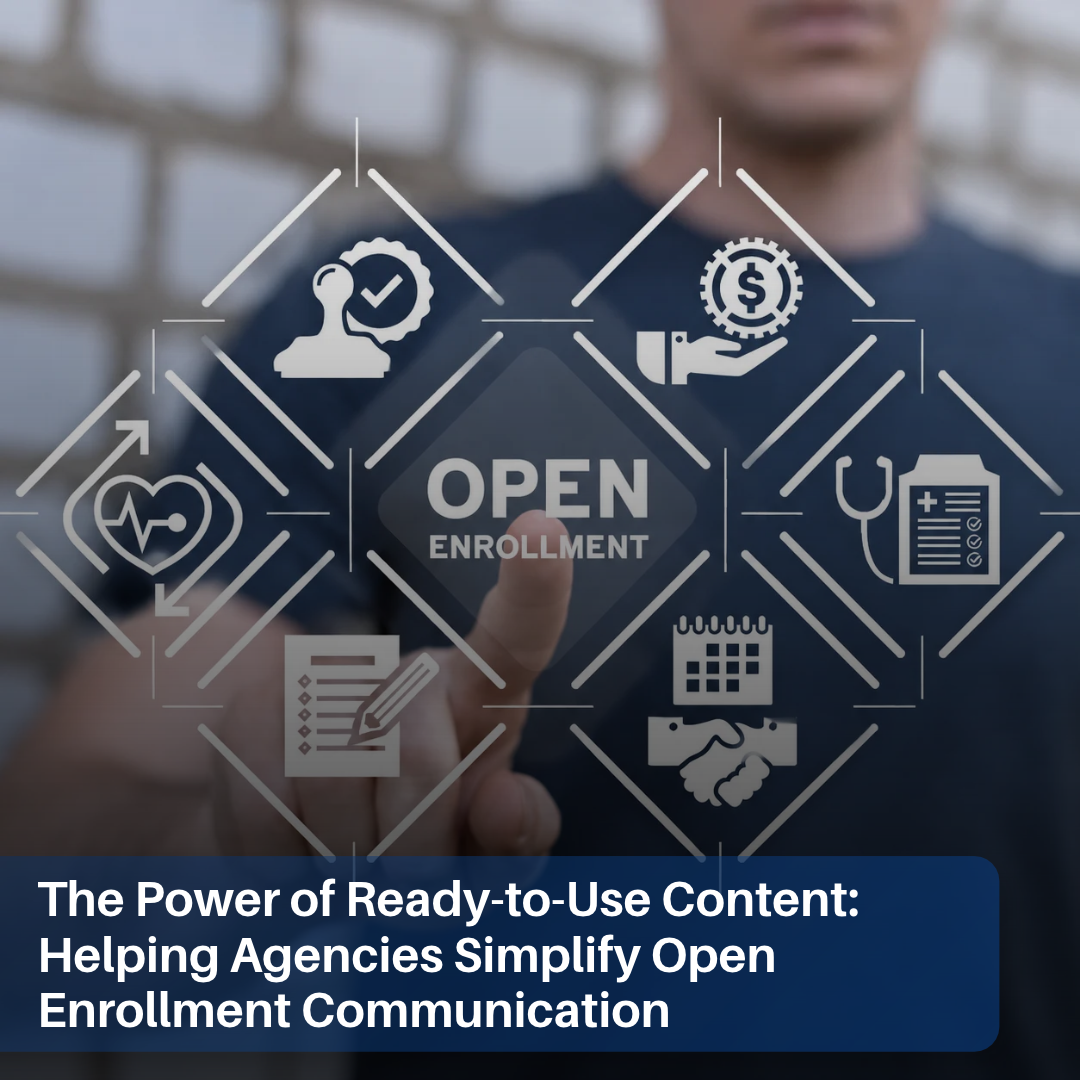
The Power of Ready-to-Use Content: Helping Agencies Simplify Open Enrollment Communication
Open enrollment is an important time for organizations and their employees. It is an opportunity to review benefits, understand available options, and make confident decisions for the year ahead. For agencies, this season provides a valuable opportunity to strengthen client relationships through clear, timely, and engaging communication. When employees have access to helpful resources, they…
-
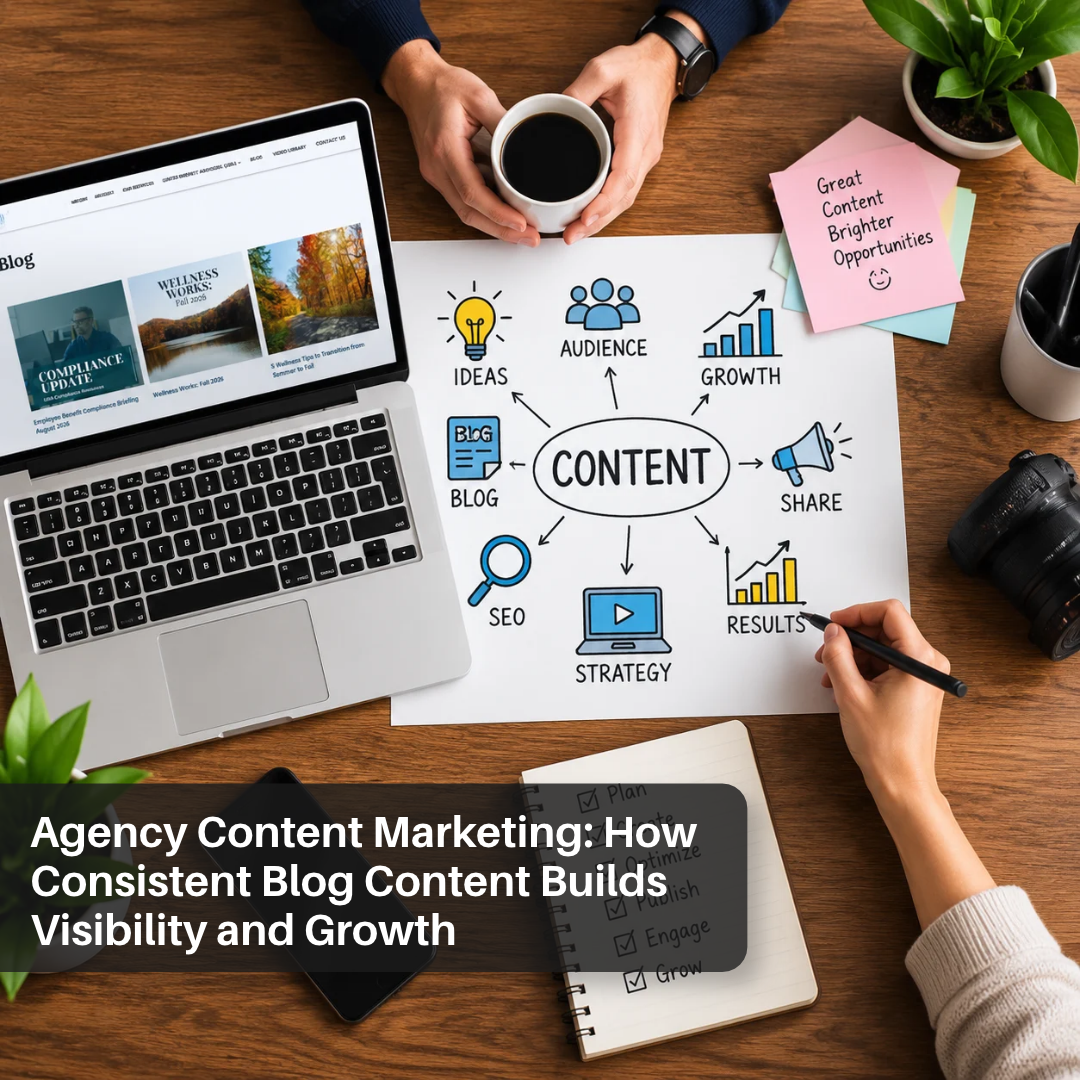
Agency Content Marketing: How Consistent Blog Content Builds Visibility and Growth
Agencies have always grown through expertise, relationships, and the ability to provide valuable guidance to their clients. Today, that expertise can extend beyond meetings and conversations through meaningful digital content. As businesses increasingly research solutions online, helpful and relevant content creates more opportunities for agencies to share their knowledge, educate their audience, and strengthen their…
-
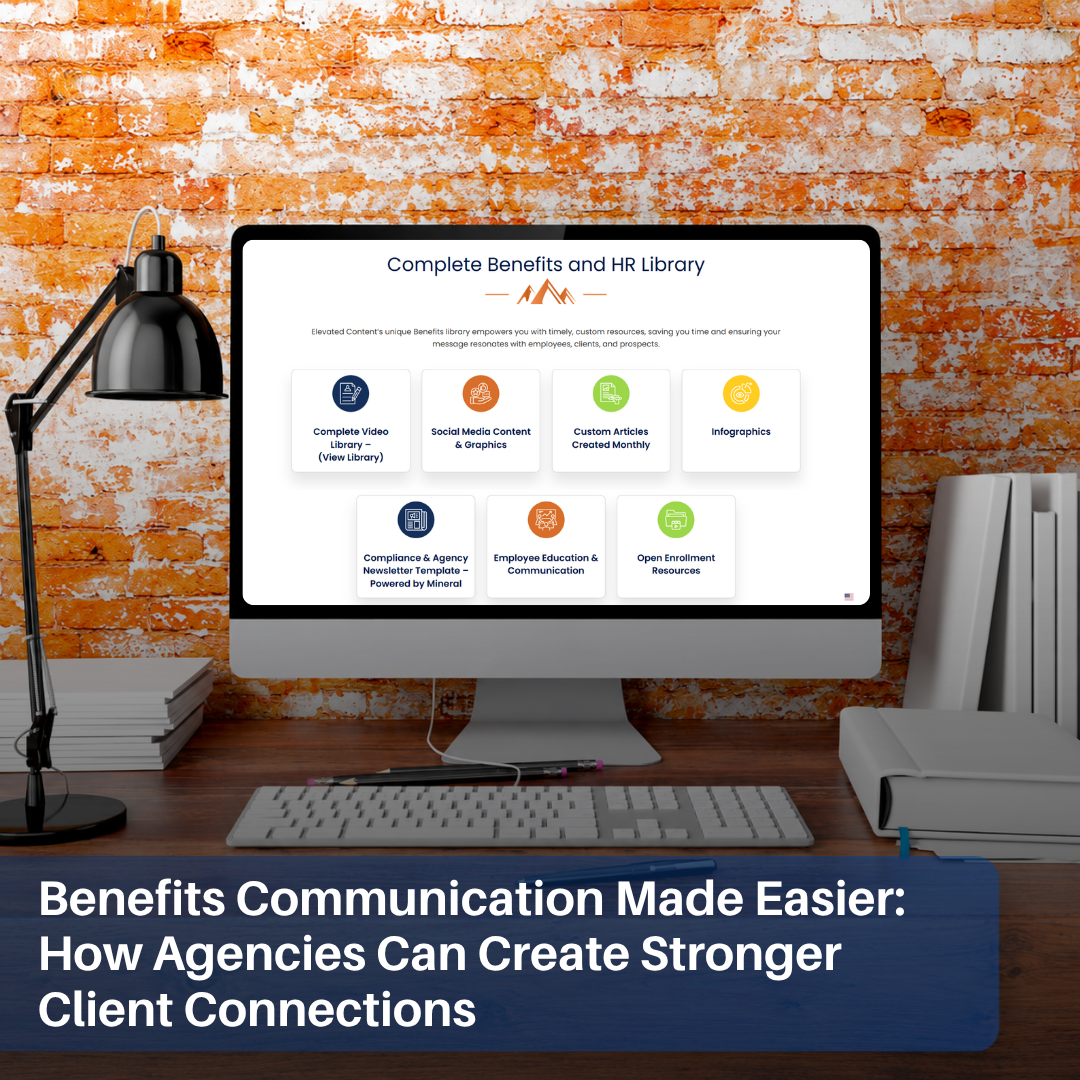
Benefits Communication Made Easier: How Agencies Can Create Stronger Client Connections
Employee benefits are becoming more complex, and clients expect more than just plan information. They want guidance, education, and resources that help employees understand the value behind their benefits. For benefits agencies, this creates an important opportunity. The agencies that consistently provide clear, engaging communication can strengthen client relationships, improve employee engagement, and become a…
-
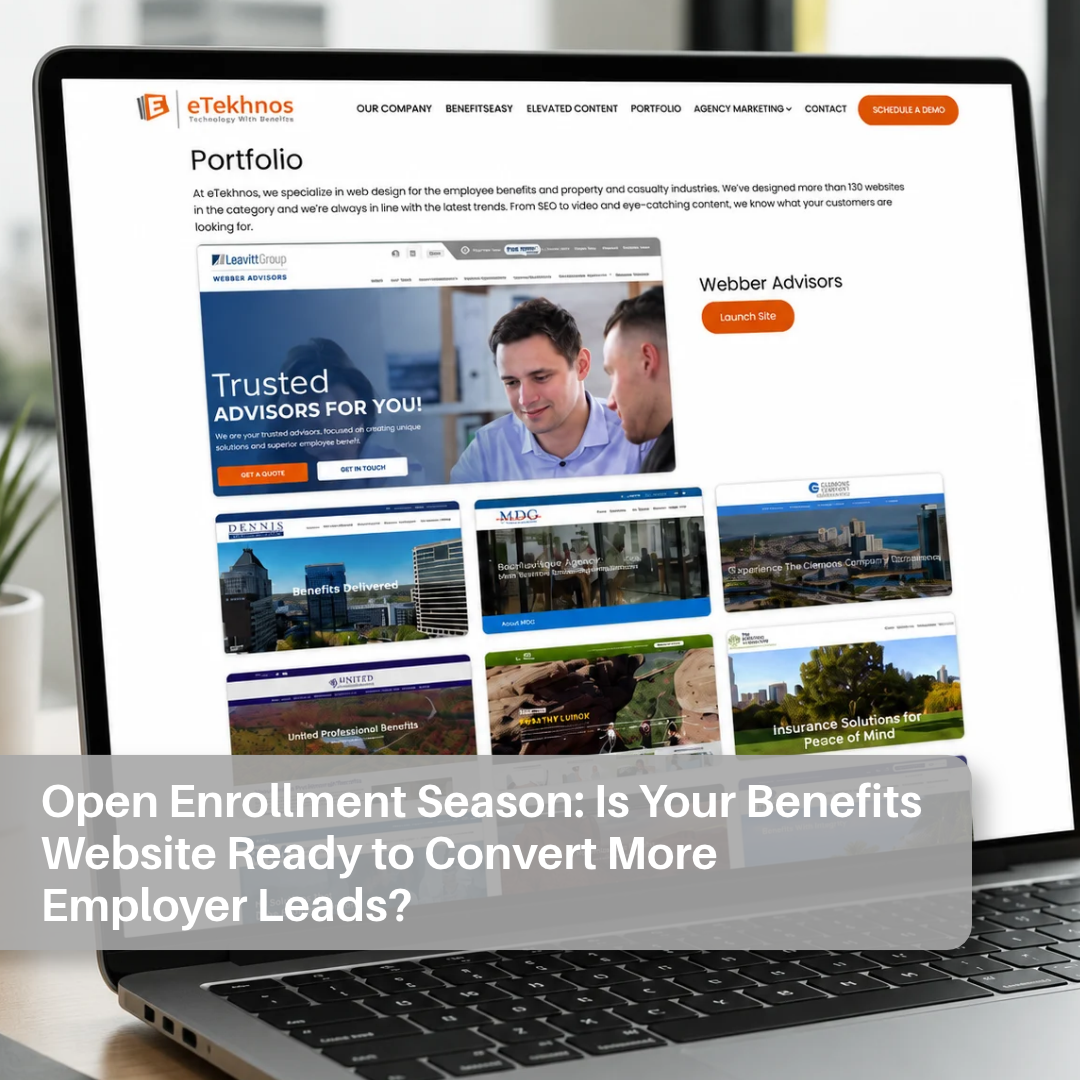
Open Enrollment Season: Is Your Agency Website Ready to Convert More Employer Leads?
Every agency knows what late summer feels like: the calm before the fourth-quarter storm. Over the next few months, corporate HR leaders in your market will be staring down double-digit renewal hikes, scrambling through open enrollment prep, and quietly wondering if their current broker is really serving them well. When an employer finally decides it’s…
-
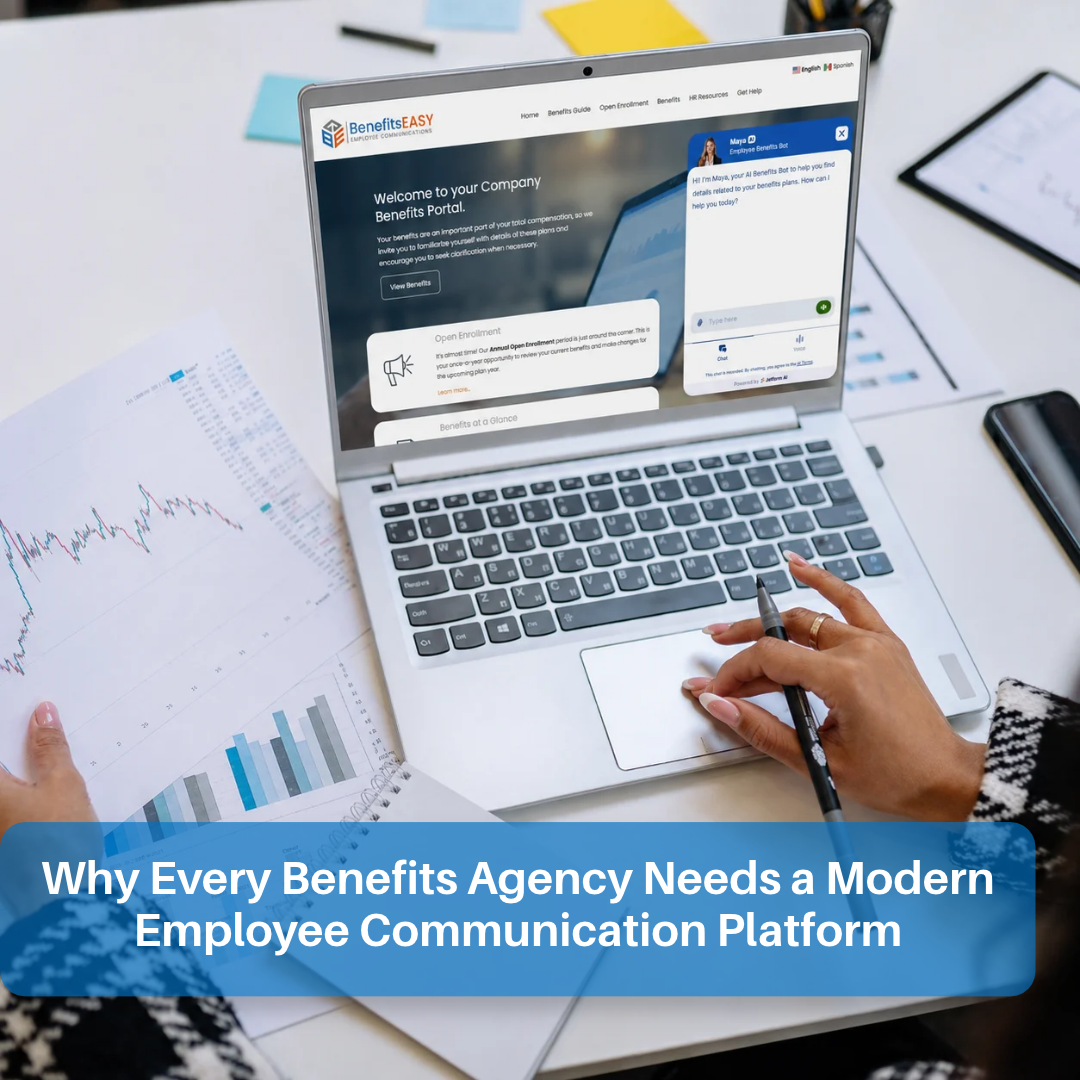
Why Every Benefits Agency Needs a Modern Employee Communication Platform
Great benefits deserve to be understood, not just distributed. Employee benefits are genuinely great. They protect health, support families, and help people make smart financial calls. For employers, they’re one of the best tools for attracting and keeping great people. So here’s the plot twist: a lot of employees don’t actually know what they have.…
-
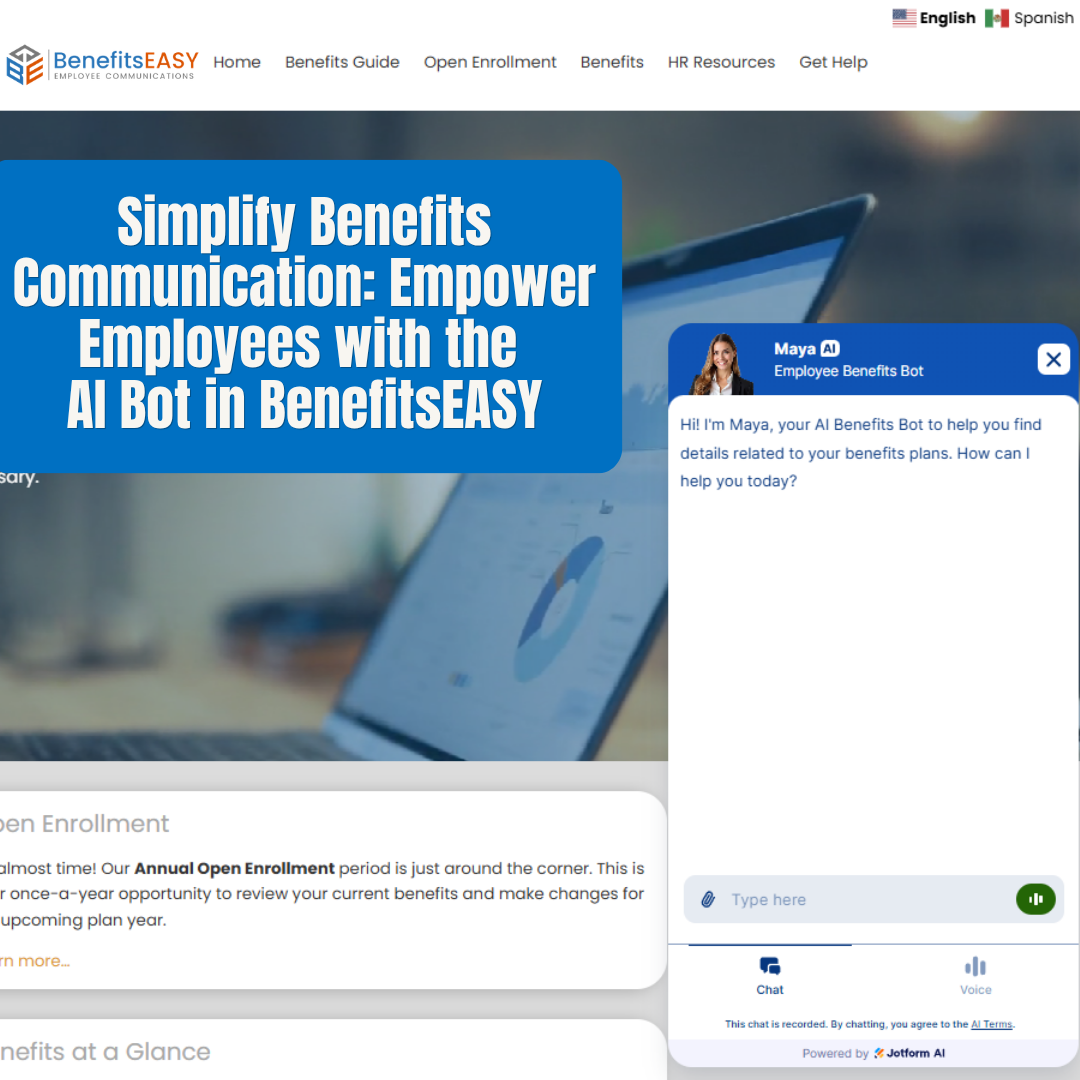
Simplify Benefits Communication: Empower Employees with the AI Bot in BenefitsEASY
HR teams know the challenge all too well: employees often ask the same benefits questions again and again. While every inquiry is important, answering them repeatedly takes valuable time away from strategic HR initiatives.
-

Understanding the Sandwich Generation: What They Need Most
In today’s workforce, a significant number of experienced employees are working a second job that never appears on a timesheet: caregiving. This places them in the “sandwich generation,” a group of middle-aged adults tasked with simultaneously caring for their aging parents and their own children. This isn’t a specific age cohort like the Baby Boomers,…
-

Decode Your Dosage: A Practical Guide to Reading Prescription Labels
Taking prescription medication is a common part of modern life. In fact, more than 131 million American adults take at least one prescription regularly. As we age, managing these medications becomes a vital part of staying healthy.
-
Planning Ahead: 2027 HSA Contribution Limits and HDHP Rules
On May 29, 2026, the IRS issued Revenue Procedure 2026-24, which sets the inflation-adjusted limits for health savings accounts (HSAs) and high deductible health plans (HDHPs) for 2027.