 Employee benefits are the indirect and non-cash compensation paid to an employee. These benefits are given to employees over their salaries and wages. As we look ahead to 2025, companies are increasingly exploring innovative solutions to address the evolving needs of their workforce. Driven by shifts in work environments, economic challenges, and technological progress, the following trends are becoming key elements of a competitive employee benefits package.
Author: admin
-
Employee Benefits: Adapting to a Changing Workforce
-
Essential Benefits Terms: What You Need to Know
Employee benefits can be a complex landscape, filled with acronyms and unfamiliar terms. In fact, more than 50% of American adults report that they don’t have a clear understanding of their health insurance. Many people are confused because they reach adulthood without ever learning the basics of health insurance terminology. Illiteracy about health insurance is costly to employees and employers alike. Educating employees on common benefits lingo can help them make informed decisions and maximize their benefits. (more…) -
The Right Care, at the Right Time: ER vs. Urgent Care
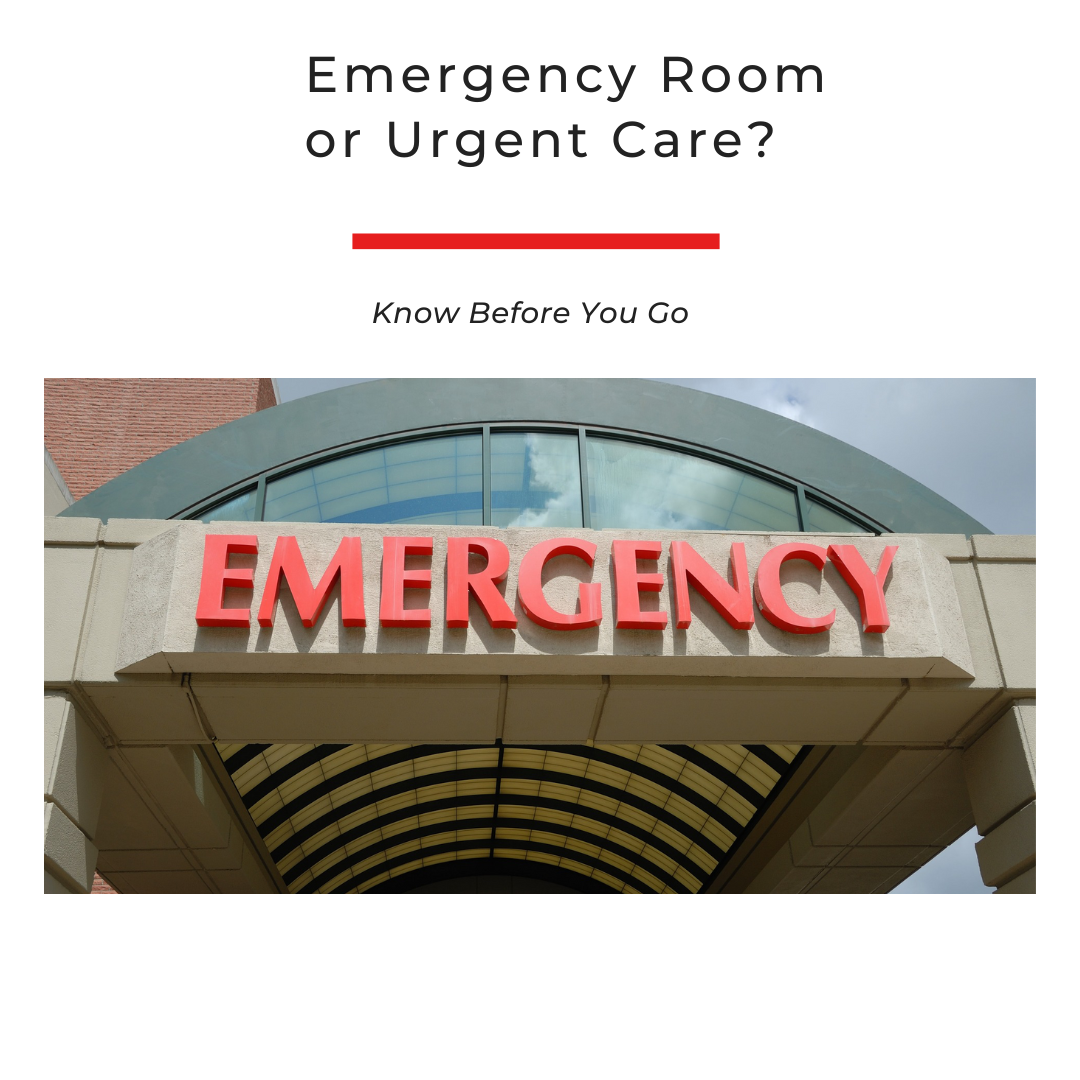
 All too often, illness or injury appears out of the blue: You wake up in the middle of the night with intense abdominal pain. Or your baby spikes a high fever on the weekend. These situations are stressful and it’s hard to think when you’re under stress. But you need to decide where to go to get medical care for yourself or a loved one. Understanding the levels of acute medical care before you need it can help you focus and get the appropriate help quickly.
 -

Make the Most of Your FSA
 When it comes to health insurance, there is a lot of jargon and plenty of acronyms. Many people have heard of FSAs, but may not actually know — what is a flexible spending account, exactly?
 -

One Size Doesn’t Fit All: Tailoring Benefits for Gen Z
 Get ready for a new wave of talent! Gen Z (born between 1997 and 2012), or Zoomers, is the youngest generation entering the workforce, and they’re bringing fresh perspectives and priorities. Unlike previous generations, Gen Z isn’t just punching a clock. They crave opportunities for personal and professional growth, a workplace that prioritizes mental well-being, and financial security for the future.
 -

Benefits That Matter: Attract and Retain Millennial Talent
 Today’s workforce is a mix of generations, but you can’t afford to overlook Millennials, the largest generation in the workforce. Known for their flexibility and problem-solving skills, Millennials bring a powerful combination of experience and value to any company.
 -

HDHPs: A Beginner’s Guide to High Deductible Health Plans
In today’s world of complex health insurance options, High Deductible Health Plans (HDHPs) have become increasingly popular. But with a name like “high deductible,” it’s natural to have questions. Let’s break down the basics of HDHPs:What is an HDHP?
-
Unlocking Boomer Loyalty: Essential Benefits They Value
A Baby Boomer is someone born between 1946 and 1964. This generation is currently between 58 and 78 years old (in 2024). They tend to have a strong, loyal work ethic and excel at face-to-face communication and building relationships with colleagues. Boomers have a wealth of experience accumulated over long careers. They value jobs that allow them to leverage this experience and be seen as mentors or leaders. They are also loyal and expect loyalty in return. -

Life Insurance on Your Terms: Unveiling Voluntary Coverage!
Life Insurance at Work: Your Guide to Voluntary CoverageWe all juggle life’s different responsibilities, and ensuring our loved ones are financially secure in case of our passing should be a top priority. Life insurance offers a safety net but typically the amount of coverage included as a standard company-paid life insurance policy isn’t enough to cover the financial needs of your dependents. This is where voluntary life insurance comes in – an option your employer might offer as part of your benefits package.
-
Benefits Basics: What Is an EAP?
Mental health isn’t just the absence of illness. It’s a continuum ranging from severe symptoms such as panic attacks and major depression to excellent mental strength and well-being.Sometimes you’re not ill, but you aren’t well either – and you need help. If you’re feeling down about work or a problem in your life and need to talk to somebody, an Employee Assistance Program (EAP) is a great solution.